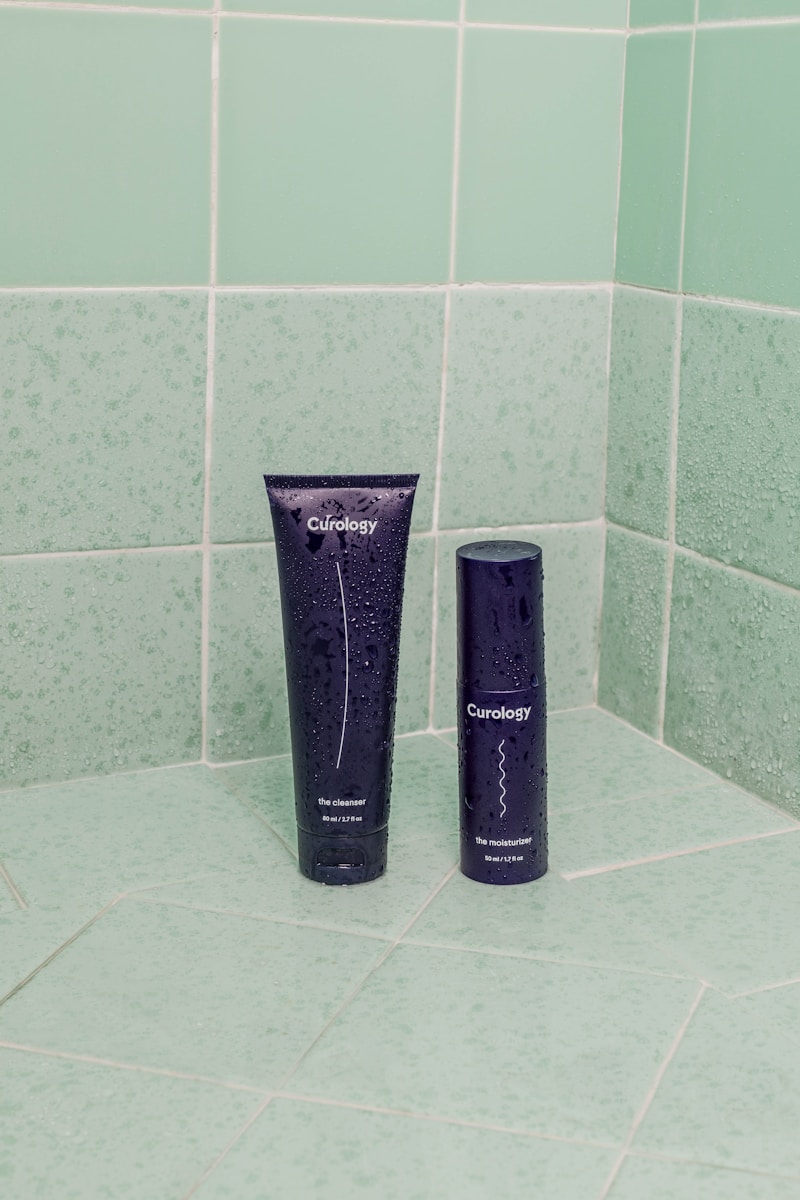
When More Is Less: The Case for Minimalism
The skincare industry has a financial incentive to convince you that your routine needs more products. Every season brings new launches promising transformative results, and the social media algorithm rewards hauls and unboxings over quiet consistency. The result is that the average skincare consumer uses 7-12 products daily, yet skin health research shows that more products frequently create more problems — barrier disruption, ingredient interactions, and unnecessary sensitization.
Minimalist skincare is not about doing less because you don't care — it's about doing exactly what your skin needs and nothing more. Dermatologists who practice what they preach often have remarkably simple personal routines: a gentle cleanser, a targeted active, a moisturizer, and sunscreen.
The Four Pillars of a Minimalist Routine
- Step 1: Cleanser — removes dirt, oil, and sunscreen without stripping the skin barrier
- Step 2: Active Serum — one targeted ingredient addressing your primary skin concern
- Step 3: Moisturizer — seals in hydration and supports the skin barrier function
- Step 4: SPF (AM only) — non-negotiable; the most important anti-aging and protective step
Evening routines replace SPF with a nourishing moisturizer or an additional active like retinol or a peptide serum. The entire routine takes two to three minutes, which means you will actually do it every day.
Choosing the Right Cleanser
The cleanser is the most underrated product in any routine. A cleanser that is too stripping (common in foaming and gel formulas with sulfates) compromises the skin barrier before your other products even get a chance to work. For most skin types, a gentle hydrating cleanser — look for ingredients like glycerin, ceramides, or centella asiatica — cleans effectively without disrupting the microbiome.
If you wear makeup or SPF daily (which you should), consider oil cleansing as a first step in the evening. Oil cleansers dissolve sunscreen and makeup more effectively than water-based cleansers and are gentler on the barrier, leaving skin properly clean without the tight, stripped feeling.
Selecting Your One Active
The most important decision in a minimalist routine is choosing which single active ingredient to prioritize. This should be determined by your primary skin concern: niacinamide for pores and oiliness, vitamin C for brightness and antioxidant protection, retinol for anti-aging, hyaluronic acid for dehydration, or azelaic acid for hyperpigmentation and redness. Resist the urge to layer multiple actives — it rarely accelerates results and often causes irritation.
Once you have used your chosen active consistently for 12 weeks and assessed the results, you can introduce a second active if needed. Building a routine incrementally also helps you identify what is actually working — and what isn't.
The Consistency Principle
Skincare results come from consistency over weeks and months, not from product variety. A simple four-step routine used faithfully every morning and evening for three months will produce better results than an elaborate 10-step routine used inconsistently. This is the core minimalist insight: what your skin needs is not more products, but reliable, daily care with the right fundamentals.
Final Verdict
Start with the four steps: cleanse, active, moisturize, protect. Give each product 8-12 weeks to show results before evaluating. Resist the pull of new launches and trend-driven additions. The most effective skincare routine you can build is also the simplest one you will stick with — and the path to genuinely good skin runs through consistency, not complexity.